The hunt for durable clothing feels impossible. You buy a ‘sturdy’ shirt, only to find it faded and frayed within months. You’re left wondering: do clothes that last for years even exist anymore?
The answer is yes—but you need to know where to look and, more importantly, how to look. This guide cuts through the noise. First, you’ll get a foolproof 60-second method to judge quality in any brand. Then, we’ll reveal the eight brands that are proven investments, not just purchases. Let’s end the cycle of replacement for good.
This isn’t about buying more; it’s about buying better. I learned this the hard way after a £80 “premium” parka surrendered to a mild drizzle. I switched to a different brand, and seven winters later, it’s still my go-to. That shift changed everything for me.
The 5-Second Test for Durable Clothing (Before You Buy Anything)
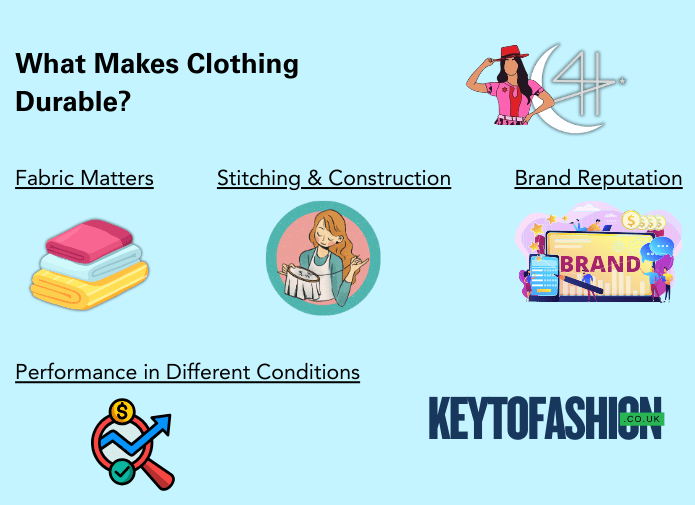
Durability isn’t a mystery. Before we get to brands, use this quick framework to judge any garment for true durability in clothing. Ignore the tag price for a second and play detective:
- The Fabric Interrogation:
- Feel the Weight: Heavier fabric (measured in grams per square metre or ounces per square yard) generally means longer life. A flimsy-feeling oxford cloth shirt won’t hold up like a substantial one.
- Check the Content: Look for long-staple or branded cottons (like Supima or Egyptian), full-grain leather, and dense wools. For synthetics, seek out names like Cordura or Schoeller for incredible abrasion resistance.
- The “Pull” Test: Gently pull the fabric at a seam. Does it immediately show gaps or feel like it’s straining? Bad sign.
- The Construction Investigation:
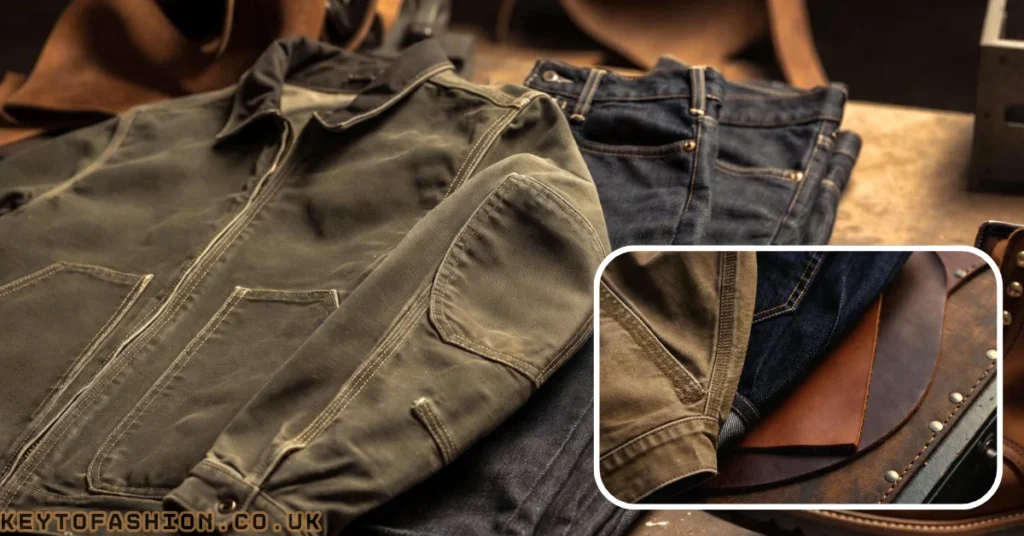
- Seams: Look for double or triple stitching, especially on pockets, crotches, and shoulders. This isn’t just for looks; it’s reinforcement.
- Stress Points: Check areas like pocket corners and belt loops. Do they have extra reinforcement stitches (bar tacks)? If not, they’re a future failure point.
- Hardware: Zippers should be YKK or another branded, quality manufacturer. Buttons should be securely sewn, often with a shank, not flat against the fabric.
- The Brand Policy Audit:
A brand’s confidence is written in its warranty. Before clicking “buy,” check their website for:- Repair Programs: The gold standard. Brands like Patagonia and Nudie Jeans offer free or cheap repairs because they expect you to wear their items for years.
- Guarantees: Look for specific, no-nonsense lifetime or multi-year warranties (e.g., “Guaranteed for Life”).
- Resale/Recommerce Platforms: Brands running their own resale shops (like Arc’teryx’s ReGEAR) are incentivised to make products that hold their value and function.
The Brand Breakdown: Where to Invest Your Money
These brands have consistently proven their worth for decades. They are the gold standard for durable clothing on job sites, mountain trails, and city streets.
- The Absolute Tanks (Workwear & Outdoor)
For those who need their clothes to be tools.
- Carhartt: The undisputed king of the jobsite. Their signature 12-ounce “Duck” cotton canvas is virtually indestructible. The magic is in the triple-stitched seams—they use a specific compound thread that’s stronger than standard. Pro Tip: Their “Force” line uses lightweight, breathable fabric with the same tough construction, perfect if you find the classic canvas too heavy.
- Filson: If you want “heirloom” rugged. They work with tin cloth (oil-finish waxed cotton) and heavy Mackinaw wool. Their luggage and jackets are famously passed down through generations. They offer a lifetime guarantee and run a renowned repair department in Seattle.
- Patagonia: Don’t box them in as just granola. They are technical material scientists. They pioneered using recycled polyester at scale and their H2No® waterproofing is exceptional. Their Worn Wear program is legendary—repair, reuse, resell. It’s a business model built on durability.
- Fjällräven: Swedish practicality meets timeless design. Their G-1000 fabric (65% polyester, 35% cotton) is a marvel. You wax it yourself (with Greenland Wax) to tailor the wind and water resistance. It’s abrasion-resistant, breathable, and ages beautifully. It’s a system, not just a jacket.
- Denim & Casual That Ages With You
For daily wear that gets better, not worse.
- Nudie Jeans: The sustainability standout. They use 100% organic cotton and offer free repairs for life in their shops or via mail-in. They actively encourage you to wear holes in them so they can fix them. Their “Re-use” program collects, repairs, and resells old pairs.
- Iron Heart: The choice of denim purists and motorcycle riders. They specialize in super-heavyweight selvedge denim (21oz and up). This isn’t for the faint-hearted—it’s stiff, tough, and molded perfectly to your body over time. The construction is flawless.
- Buck Mason: For perfected basics. Their Heavyweight Jersey Tee (8.5oz) and Field Spec Chinos are case studies in getting simple things right. The fabrics are substantial, the stitching is clean and strong, and the designs are timeless so you’ll wear them for years.
- The Foundation: Footwear
Where you should never, ever compromise.
- Red Wing Heritage: The icon for a reason. They use North American full-grain leathers and the Goodyear welt construction. This means the sole is stitched—not glued—to the upper. When the sole wears out (in 5+ years), any cobbler can resole them for a fraction of the cost, effectively making them boots for life.
- Danner: The hiker’s and worker’s secret weapon. Many of their boots are also Goodyear welted and use top-tier Vibram soles. Their Mountain Light II is a piece of hiking history, rebuilt and improved for decades. They offer extensive recrafting services.
The Care System – Your Role in the Longevity Pact
A durable garment is a partnership. You uphold your end with proper care:
- Wash Less, Air More: Denim, wool, and outerwear rarely need a full wash. Spot clean and air out. Overwashing is the #1 killer of fibers.
- Cold is Gold: Always wash in cold water. Heat breaks down dyes and weakens fibers.
- Ditch the Dryer: Air dry everything. The tumble dryer’s extreme heat and agitation are brutal on clothes. It shrinks, fades, and damages elastic.
- Learn Basic Mending: A needle, thread, and a 10-minute YouTube tutorial can fix a loose button or a small seam split, preventing a catastrophic failure later.
FAQs
Is expensive always more durable?
No. Some luxury brands prioritize silhouette and trend over longevity. A £500 cashmere sweater can pill instantly. Focus on the construction and material clues from Part 1, not just the logo.
What’s the single toughest fabric?
For extreme abrasion, Cordura nylon. For a natural fibre, hemp is incredibly strong, gets softer with wear, and is naturally antimicrobial. A heavy canvas or duck cloth is a classic workhorse.
A brand isn’t on your list. How do I judge it?
Use the Part 1 checklist. Go to their website. Do they talk about construction details? Do they offer repairs? Is there a community of people reviewing their products after 5+ years? That tells you everything.
Why should I invest in durable clothing?
Investing in durable clothing saves you money in the long run, reduces waste, and ensures you always have reliable pieces to wear. It’s about quality over quantity.
Why should I specifically look for durable clothing?
Durable clothing is an investment that pays off for years. It saves you from constant replacements, reduces waste, and ensures you always have reliable gear that won’t fail when you need it most.
Conclusion
Building a wardrobe of durable clothing isn’t an overnight flip. It’s a mindful shift in how you shop. It means buying that Filson jacket knowing it’s a 20-year investment, or choosing Nudie Jeans for their repair promise.
Stop buying for the moment. Start investing for the decade.
Your move: Look in your closet right now. What’s the one item that has survived everything and still looks great? That’s your benchmark. Let that guide your next purchase.