

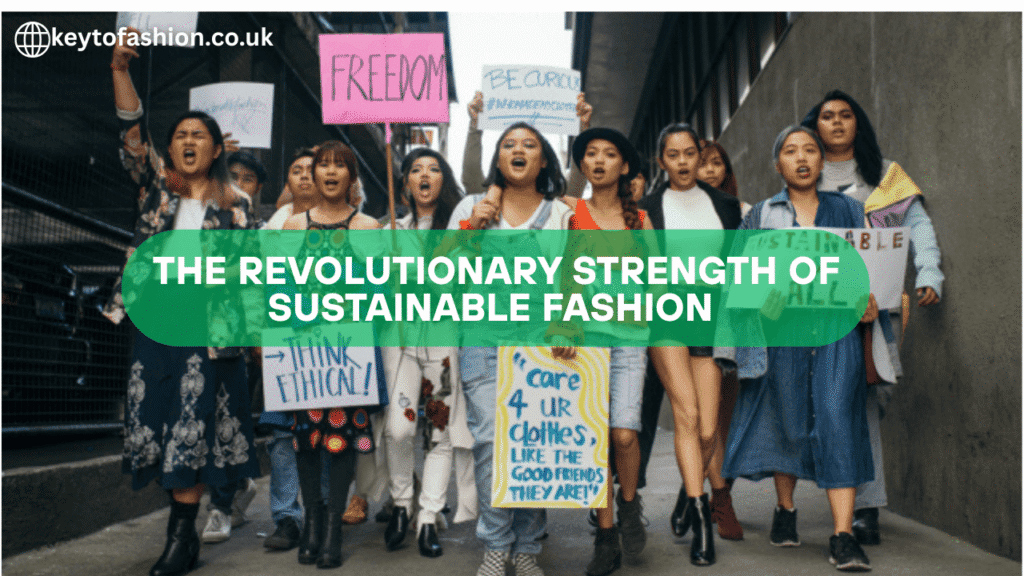
Sustainable Fashion is a big attraction: you can wear the latest fashion for a modest amount of money. Though the ease comes with a big price. The fast fashion industry, driven by massive production and rapid consumption, is a significant contributor to environmental pollution and social injustice. This is the time when we should be able to see beneath the surface, and most importantly, the true impact of our clothing choices needs to be understood.
The Environmental Toll
The fashion industry heavily pollutes the environment, from cotton farming to garment disposal.
- A Toxic Tide: Textile dyeing constitutes a significant part of water pollution. The water is poisoned by aptly, and oceans are poisoned by toxic substances used in the dyeing processes, harming aquatic life and affecting drinking water sources. Just think of a rainbow in your glass of water! This is a hard truth in many places.
- Mountains of Waste: Every year, tons of textiles get thrown away to end up in landfills, where they take a long time to decompose, emitting pollutants, such as through the environment. This significantly affects the accumulation of the worldwide waste crisis and also warms up the world’s climate.
- The Microplastic Menace: The research states that soft plastic sheets like polyester give off microparticles when they are washed from time to time. Consequently, the marine ecosystem is harmed when these microplastics get washed into the oceans. Such microplastics also reach the human food cycle, and not only animal but also human life is negatively affected. Can you think of the damage those very small particles of harmful substances might do to us?

The Human Cost
Beyond environmental damage, the fast fashion industry often comes at a significant human cost:
- Exploited Workers: The thirst for cheap clothes is the very reason that women (heard of them) in the marginal areas of the world are abused by their male colleagues, who, by the way, are paid small money. No one would like to see how (hence) these workers are treated. Nearly all of them don’t benefit from the rights or the protection that should be provided to at least the minimum.
- Child Labor: Kids are often required to be engaged in dangerous work, without education and a chance at a better future, in the fashion industry. This not only robs them of their adolescence but also keeps poverty in existence.
- Forced Labor: In some cases, workers are forced into slave-like situations and have no will or movement. This illustrates the horrible side of the industry, which is often a place for human rights abuses.
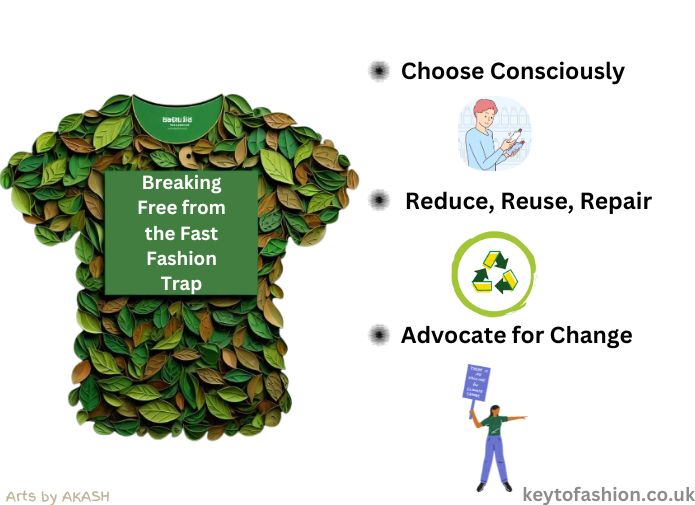
Breaking Free from the Fast Fashion Trap
We can all play a crucial role in creating a more sustainable and ethical fashion industry. Here’s how:
- Choose Consciously:
- Invest in Quality: Value, quality, and permanency of the garments that are made properly and are durable enough to last for long periods, hence the need for replacements seldom arises.
- Embrace Secondhand Shopping: Extend the life of used clothes, which you can buy from secondhand, consignment stores, and the internet.
- Support Sustainable Brands: Among the brands that lead the market in Sustainable Fashion and ethical choices, research for certifications such as GOTS (Global Organic Textile Standard) and Fair Trade Certified. These certifications guarantee the ethical aspect of their production.
- Opt for Natural and Recycled Materials: Choose clothes that are made from organic cotton, hemp, linen, recycled polyester, and other Sustainable Fashion materials.
- Reduce, Reuse, Repair:
- Repair and Mend: Acquire the basic tailoring skills so that you are able to sew the holes in your clothes on your own, and then you won’t be contributing to the piles of garbage.
- Upcycle and Repurpose: Let’s think about innovative and unique ways to reuse old clothes, such as by transforming them into things like various home objects or art pieces.
- Advocate for Change:
- Support Policy Changes: Contact your local representatives and inform them that you support the decrees that will ensure sustainable and nonviolent clothing production, besides you becoming humane in your relations with animals.
- Spread Awareness: Help your friends, family, and the community to understand what is the relationship between the environment and clothes made fast.
- Support Organizations: Donate or volunteer for environmental and labor rights groups to support them.
The Future of Fashion
The fashion industry may soon become an uncertain reality. The most proposed way is the circular economy, and through this way, sustainable fashion development. This might involve the production of clothes, their use, recycling, and bioconversion in a manner that ensures the least amount of waste, the benefits of using resources in a way that does not cause waste, and so on, so that it should be on the road to a circular economy and sustainable development.
- Developing innovative technologies: Environmental impact reduction technologies consist of dyeing processes that avoid the use of water and materials that are biodegradable on their own.
- Promoting transparency and accountability: To ensure that the brands are indeed clear about their supply chains and that they are also held accountable for the environment and society.
- Building a more inclusive and equitable industry: Protecting fair wages, safety at work, and equal work opportunities for all fashion workers.
A Call to Action
The time calls for a switch, and it is right now. By choosing the environment-friendly option, supporting brands that respect their employees and cutting down on the exploitation of the planet, a cooperation can strive during this new decade and decades to come to have a just and fair Sustainable fashion industry.
Remember: Every purchase of yours makes a difference. Any clothes you decide to buy come with their unique story. Shall we, please, make the right decision that may affect the entire fashion industry that is responsible towards people and the planet?
FAQs
What makes fast fashion different from Ethical fashion?
Fast fashion often involves fast production and low cost, while environmental and social responsibility are put aside. The difference is that ethical fashion deals with fair practices, eco-sustainability, and makes cleaner and durable garments.
How can I identify sustainable brands?
Search for seals like GOTS and Fair Trade Certified, to be sure. Check out the labels that show where the items are sourced from and the environmental and social good that is being done.
What are some common sustainable materials?
Is it organic cotton, hemp, linen, recycled polyester, and Tencel that are some of the eco-friendly materials out there?
What are the challenges faced by sustainable fashion brands?
An issue of utmost significance, sustainability is manifested as the guiding principle of sustainable fashion products.
How can I reduce my environmental impact through fashion choices?
Shop smart and sparingly, choose something because of its quality and not because of its quantity, repair and patch your clothes, and be partial to the second-hand look of the clothes.
Conclusion
Sustainable fashion isn’t just a trend—it’s a responsibility. The fast fashion industry harms both the planet and people, from polluting water to exploiting workers. But change is possible. By making smarter choices—such as buying secondhand, prioritizing quality over quantity, and supporting ethical brands—we can reduce waste, protect workers, and care for our environment. Your fashion decisions matter. Every purchase is a vote for the kind of world you want to live in. Let’s choose wisely.
Visit now for the Latest Updates about Modern Fashion. Keytofashion.co.uk

Good Article Best of Luck. and make a professional writer with experience and the use of knowledge