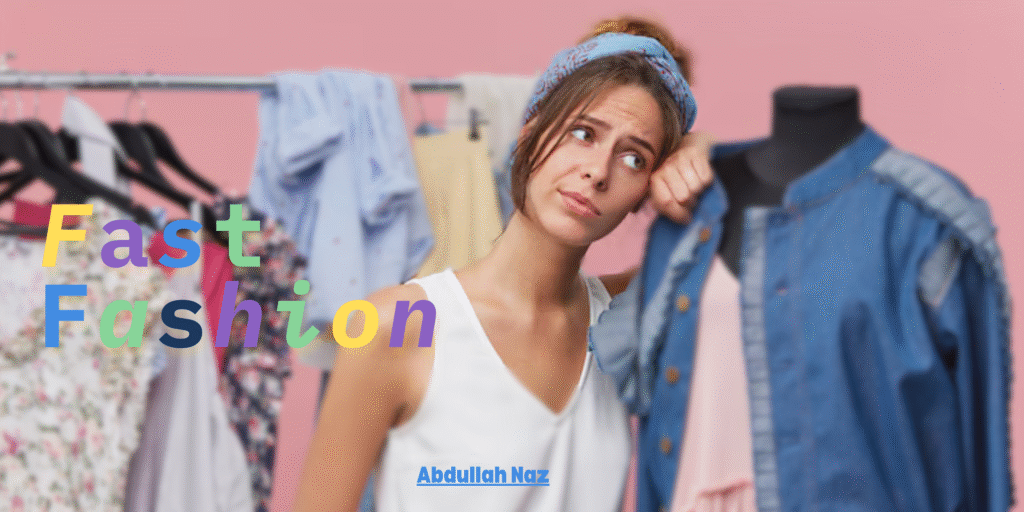
Let’s be real for a second fast fashion is one guilty pleasure most of us just can’t seem to quit. We talk about how bad it is for the planet, how poorly workers are treated, how cheap the clothes feel… and then, two days later, we’re adding another $5 crop top to our carts. Yeah, it’s kind of a mess. But it’s our mess.
Honestly, the whole thing feels like a love-hate relationship. On one hand, it’s affordable, accessible, and always on-trend. On the other? It’s damaging, unethical, and leaves you with a weird pit in your stomach when you throw out another barely-worn outfit. Been there, done that.
In this piece, we’re diving into why fast fashion has such a strong grip on us. We’ll unpack what it is, why we’re so into it, why it kind of makes us cringe, and whether there’s a way out. Spoiler: it’s not about being perfect—it’s about being a little more aware, one decision at a time.
What’s Fast Fashion Anyway?
If you’ve ever bought a $10 shirt that looked great for about three wears before falling apart, congrats—you’ve met fast fashion. It’s the industry of rapidly producing fashionable clothing at extremely low costs. Think runway styles made wearable (and buyable) within days or weeks.
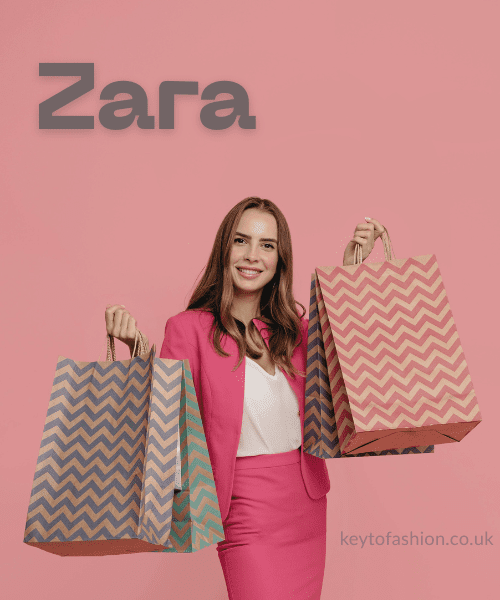
Fast fashion took off in the 90s and early 2000s when brands like:
- Zara
- H&M
- Forever 21
Figured out how to shrink production timelines. They made new stuff so fast, people felt like they had to keep shopping just to keep up.
Now, with online giants like:
- Shein
- Boohoo
- PrettyLittleThing
…it’s gone into overdrive. Thousands of styles drop every week. Algorithms are picking trends faster than we can blink. And yeah—it’s fun. Until you realize the bigger picture.
The catch? It’s not sustainable. All that cheap clothing ends up in landfills. Workers often face horrible conditions. And the materials? Not exactly eco-friendly.
Why We’re Kinda Obsessed With It
Look, fast fashion wouldn’t be a thing if we didn’t love parts of it. Here’s what keeps us coming back:
• Affordability & Accessibility
- Cute clothes for cheap? Say less.
- It lets pretty much anyone hop on the latest trends without spending a fortune.
- Plus, constant sales make it way too tempting.
• Trends on Steroids
- New drops every week mean there’s always something fresh to check out.
- It’s like a never-ending candy store for your closet.
• That Quick Hit of Joy
- Ever feel a little buzz after placing an online order? That’s instant gratification.
- It scratches the shopping itch real fast.
• Social Media Pressure
- Influencers don’t repeat outfits—and neither should you, right?
- Platforms like TikTok and Instagram low-key make you feel like you need a new outfit for every post.

Why It Also Makes Us Feel… Gross
For every cute top we score, that little voice whispers, “You know this isn’t great, right?”
• The Environmental Toll
- The fashion industry is a huge polluter.
- The majority of fast fashion garments are crafted from synthetic, plastic-derived materials that decompose very slowly.
- Countless pieces are discarded into landfills annually.
• Workers Pay the Price
- Many fast fashion brands use underpaid labor in unsafe factories.
- Some workers make pennies an hour to meet insane production deadlines.
- Ethical oversight? Often non-existent.
• Low Quality = Disposable Clothes
- Ever had a seam rip after one wear? Classic fast fashion.
- It’s designed to fall apart so you’ll come back for more.
• The Guilt Factor
- You buy, you wear, you toss… and then feel bad about it.
- Most of us know better, but convenience and trends win.
- It’s a cycle—and a pretty exhausting one.
The Emotional Tug-of-War
Honestly, the mental gymnastics we do to justify our shopping habits? Impressive. Let’s break it down:
• Cognitive Dissonance
- We tell ourselves, “It’s just one piece,” while ignoring the bigger picture.
- It’s like eco-anxiety meets online shopping.
• Shopping = Therapy
- Retail therapy is real. A new outfit can boost your mood.
- Ethical concerns kind of take a back seat when you’re stressed and looking for a pick-me-up.
• Virtue Signaling 101
- We love to call out brands online… but still place that order during a 70% off sale.
- Talk about mixed signals.
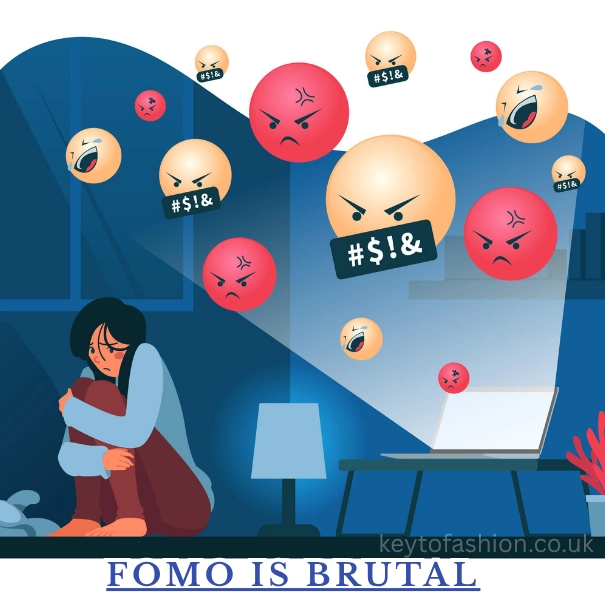
• FOMO Is Brutal
- Fashion moves so fast now, skipping a trend feels like missing out on the fun.
- There’s legit anxiety over not being “in style.”
Okay, But Can We Do Better?
Good news: it’s not about being perfect. It’s about making a few better choices when you can.
• Slow Fashion FTW
- Focuses on fewer, higher-quality pieces that last.
- Brands like:
- Patagonia
- Everlane
- Reformation
• Conscious Shopping = Smart Shopping
- Buy less. Buy better.
- Think: “Will I wear this 30 times?” before clicking “Buy Now.”
• Thrifting & DIY Vibes
- Secondhand is cool again. Thrift stores and apps like Depop or Poshmark are treasure troves.
- Got an old tee? Upcycle it into something fresh.
• Hold Brands Accountable
- Ask questions. Read labels. Check certifications.
- Sites like Good On You help you rate brands on ethics and sustainability.
FAQs
Why do people still buy fast fashion even if they know it’s bad?
Because it’s cheap, fast, and kind of addictive, plus, social pressure and trend FOMO are real. We want to do better, but habits are hard to break.
What’s so bad about fast fashion for the environment?
It’s wasteful, polluting, and most of the fabrics used are synthetic, meaning they don’t break down naturally. It’s like plastic—only stylish.
Can one small change in my shopping habits make a difference?
Totae people do the same.
What are some stylish alternatives to fast fashion?
Try slow fashion brands, thrift shops, or clothing swaps with friends. Ethical can be affordable—and way more unique.
How can I resist impulsive online purchases?
Stop following influencers who focus on hauls. Create a wishlist rather than purchasing immediately. Wait 48 hours to reflect. You’ll be amazed at how often you reconsider.
Wrapping It Up
Fast fashion is messy. It’s fun, trendy, and cheap—but also harmful, wasteful, and kind of morally confusing. And yeah, most of us are caught in the middle of that mess. You don’t have to throw out your entire wardrobe or swear off sales forever. Just start small. Buy with intention. Repair instead of replace. Ask, “Do I need this?” before checking out. The goal isn’t perfection—it’s consciousness. And maybe, over time, that awareness turns into action. What do you think? Can you live with loving to hate fast fashion?