

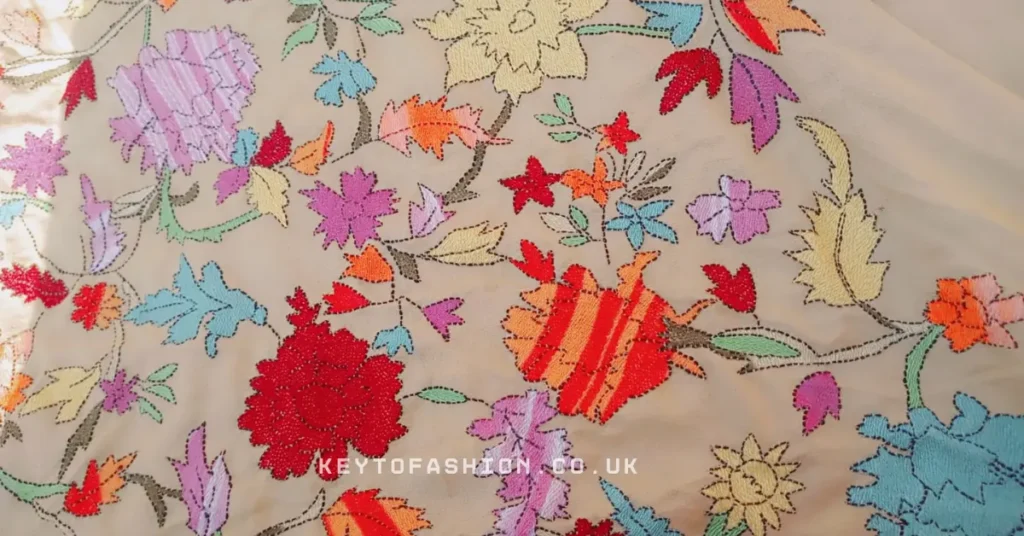
[toc]
In the breathless rush of modern life, we often find ourselves shopping for speed, not substance. We chase the next viral trend, only to discard it weeks later. But deep down, doesn’t everyone yearn for garments that carry a piece of time? Pieces that tell a story?
This yearning inevitably leads us back to an ancient, magnificent art form: Hand Embroidery.
What distinguishes it? Run your fingers over the texture. Feel the warmth. That slight, beautiful variation in tension is the human signature. This isn’t the cold, calculated uniformity of a machine; it is the deliberate skill of an artisan. This, truly, is wearable heritage.
For too long, the common narrative confined Hand Embroidered Style to museums or expensive heirloom chests. That is a misunderstanding. This article proves that this timeless elegance is not just a dream—it is a responsible, practical choice for the savvy budget shopper and the ultimate secret to professional distinction.
The Smart Shopper’s Handbook: Mastering Hand Embroidered Style on a Budget
The biggest deterrent for any budget-conscious consumer is the perceived price tag. We often assume that anything hand-crafted must be unattainable.
2.1. Defining ‘Value’ Over ‘Price’: A Nuanced View
Fast fashion is arguably the ultimate financial trap. A cheap machine-made top often fails after six washes, giving it an astronomical Cost Per Wear (CPW). The irony is that true saving lies in spending more intelligently, not just spending less. A single, high-quality Hand Embroidered Style piece will outlive ten trendy items, making it a powerful long-term financial asset.
2.2. Machine vs. Magic: How to Spot the Difference (With Essential Warnings)
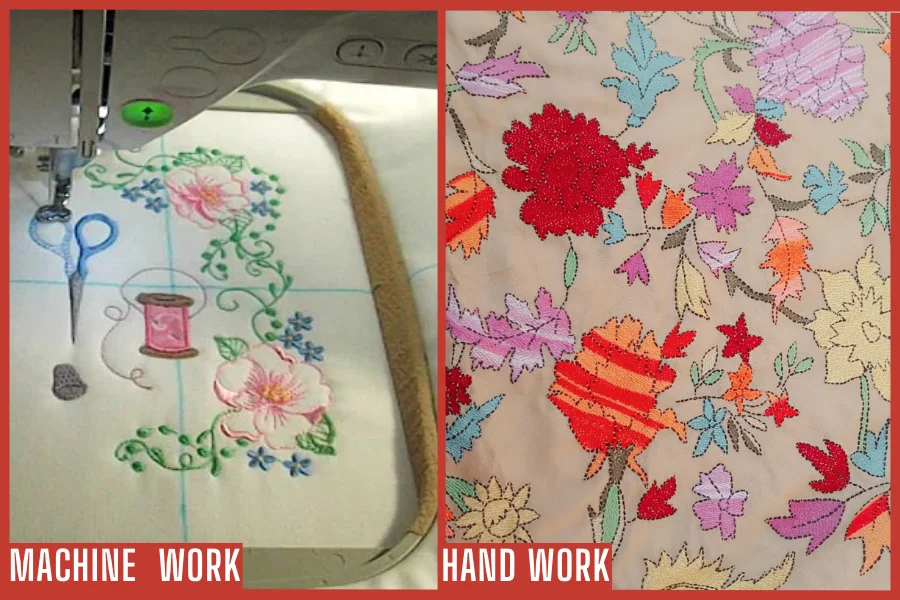
Every smart shopper needs to master this skill, particularly since modern machines are highly sophisticated.
| Feature | Machine Work (Typical Look) | Hand Work (Authentic Indicator) | The Essential Warning |
|---|---|---|---|
| Reverse Side | Immaculate, often with a stiff, uniform appearance or paper backing. | Shows subtle knots, slight tension variations, and clear starting/stopping points. | Don’t rely on imperfections alone. Highly skilled artisans often aim for near-perfect uniformity, and some machines can mimic slight flaws. Verify the source. |
| Durability | Uses strong, often polyester, threads and industrial lockstitches for high wear. | Durability is tied to the artisan’s technique. If poorly knotted, hand stitches can snag or loosen more easily than machine work. | Don’t assume superior strength. Hand stitching offers repairability and beauty, not guaranteed toughness. |
2.3. Where to Hunt for Threads: Practical Sourcing Tips
The key to affordability is ethical sourcing and avoiding mainstream markups.
- The Vintage Market Treasure: Second-hand shops and online vintage dealers are goldmines. You are acquiring history at a lower cost.
- Crucial Tip: Inspect for sun damage or thread rot before purchasing.
- Artisan Collectives & Fair Trade: Seek out platforms that are certified and transparent. By connecting directly or through vetted collectives, you ensure better value for yourself and fairer pay for the creator (Slow Fashion).
- The Strategic Compromise: If your budget is tight, focus on high-quality minimal embroidery (a single, perfect motif) rather than full, rushed, low-quality coverage.
The Professional Polish: Responsible Hand Embroidered Style for Corporate Settings
Can you wear this traditional art form in a formal office? Absolutely. But this requires self-awareness, cultural respect, and strategic styling. This style isn’t loud; it’s an element of Quiet Luxury.
3.1. Style Guide for the Office: Crafting a Responsible Look
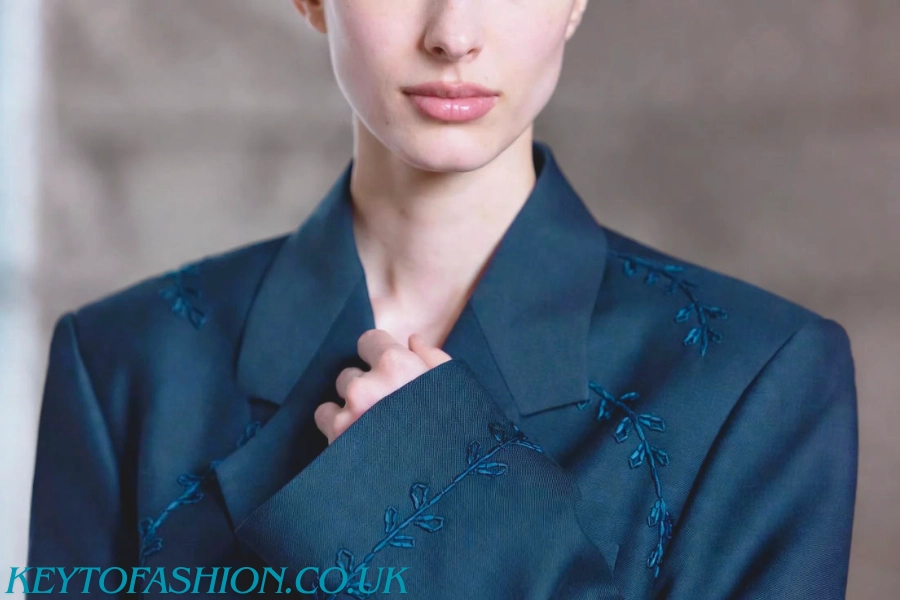
Integrating this style demands an appreciation for nuance and a deep respect for your professional environment.
- Tone-on-Tone Elegance: This is the safest, most sophisticated choice. Use threads that subtly match the fabric (e.g., navy thread on a navy blazer). This adds texture and depth without shouting.
- Strategic Placement: Avoid large, busy patterns. Focus on minimal detail on:
- Cuffs & Collars: A finely embroidered detail peeking from a shirt provides a bespoke signature.
- Accessories: A small, Zardozi-embroidered clutch or a narrow trim can elevate a look for an evening professional event.
3.2. Cultural Connection and Responsibility: A Critical Note
The techniques we discuss (like Chikankari or Kantha) are deeply tied to specific South Asian cultures. Wearing them requires more than just appreciation—it requires responsibility.
- Prioritize Appreciation: When integrating these styles, ensure you are not simply treating the art as a cheap trend (commodification). Understand its origin and meaning.
- The Ethical Mandate: Your confidence should stem from supporting verified ethical sources. If your brand is transparent about fair wages and safe working conditions, your style becomes a statement of conscious consumption.
The Rising Demand: Ethical Realities and the Future of Threads
The global pivot towards Hand Embroidered Style is driven by the desire for uniqueness. Yet, this demand requires us to look beyond the idealized view of sustainability.
4.1. The Sustainability Imperative: A Balanced View
We often hear that hand embroidery has a “low carbon footprint.” That is partially true: the stitching itself is low-energy.
- The Critical Reality: Sustainability encompasses the entire chain. Fabric production, dyeing, and global shipping all leave an environmental footprint. Furthermore, the notion of “ethical pride” is shattered if the artisan receives poverty wages. The solution is verification: look for brands with Fair-Trade Certification and transparent sourcing.
4.2. The Ethical Mandate: From Idealism to Action
We must face the reality: many embroidery workers face systemic exploitation.
- Labor Risks: Uncertified artisans often work long hours under poor lighting, facing health hazards (eye strain, back pain) for extremely low pay.
- Supply Chain Vulnerability: Without ethical standards, buying hand embroidery risks perpetuating these cycles of exploitation. The ultimate power lies with the consumer to demand transparency.
Deep Dive into Traditional Techniques: A Glossary of Style and Cultural Nuance
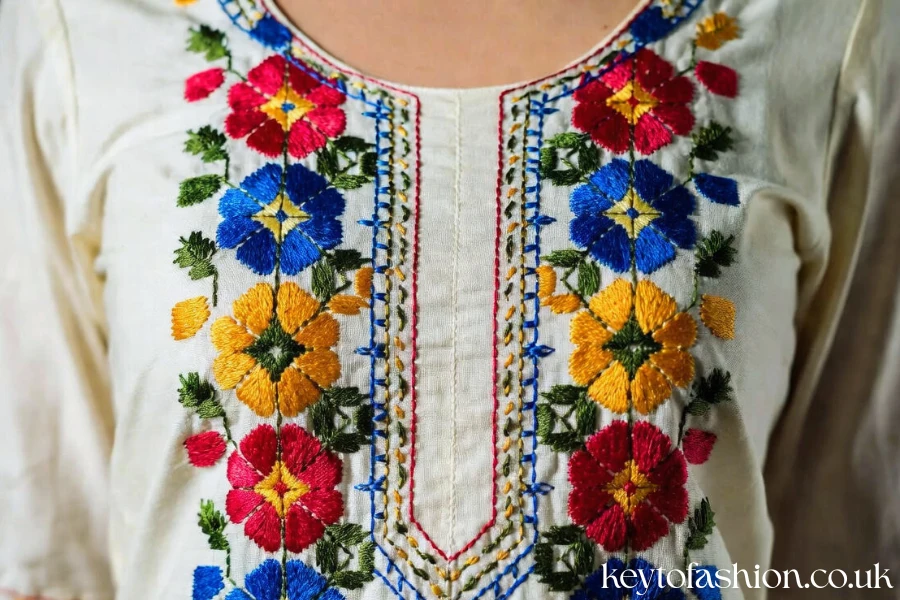
Knowing the techniques is the mark of a true fashion expert.
| Technique | Origin & Look | Style Reality | Cultural Nuance and Warning |
|---|---|---|---|
| Chikankari | Lucknow, India. Exquisitely fine, white-on-white cotton work. | Epitome of Tone-on-Tone Elegance. Ideal for breathable, sophisticated corporate summer wear. | Labour Intensity: Authentic, fine Chikankari is extremely time-consuming; low prices almost certainly reflect poor artisan wages. |
| Kantha | Bengal, India/Bangladesh. Layers of fabric stitched with simple running stitches for texture. | Original Sustainable Fashion. Perfect for unique, budget-friendly textures and jackets. | Respectful Wearing: Kantha is historically a personal, domestic craft. Treat the item as a cultural object, not merely a pretty textile pattern. |
| Zari/Zardozi | South Asia. Heavy, rich metallic-thread embroidery. | Focused Luxury. Best used sparingly on accessories (clutches, trims) for evening professional events. | Appropriation Risk: Historically tied to royalty and ceremony. Avoid excessive use outside of cultural contexts; prioritize subtle accents. |
Caring for Your Threads: Making the Timeless Last Forever (The Practical Reality)
A piece of true Hand Embroidered Style demands commitment. Longevity is tied to high-maintenance care, which can be challenging for a busy life.
6.1. The Golden Rule of Washing: Restriction is Key
- Hand Wash Priority: This is non-negotiable. Always use cool water and mild detergent.
- Avoid All Agitation: Never machine wash or wring violently. The tension and stitching are too delicate; you risk immediate damage and snagging.
- Drying Discipline: Dry flat or hang away from direct, harsh sunlight to prevent fading and thread damage.
6.2. Storage Wisdom: Preserving the Craft
- Prevent Folding Damage: Do not fold garments with heavy embroidery for long periods.
- Use Breathable Covers: Store pieces in cotton or muslin bags. Plastic traps moisture, leading to yellowing or mildew over time.
FAQs
How reliable are ‘imperfections’ as proof of authentic hand embroidery?
Not entirely reliable. While handwork often shows slight knots or tension changes, modern machine techniques can mimic these flaws. For true authentication, always inspect thread quality, the reverse side, and verify the artisan’s source—don’t rely on imperfections alone.
Is hand embroidery truly 100% sustainable or low-carbon?
No product is 100% sustainable. While the stitching process is low-energy, the full supply chain (dyeing, fabric, shipping) carries an impact. For genuine ethical pride, look beyond the needle and verify that the brand uses Fair-Trade Certification and sustainable material sourcing.
What is the biggest ethical risk when buying hand-embroidered clothing?
The biggest risk is labor exploitation. Many uncertified artisans face poverty wages, health issues, and lack of social security. Always seek brands that are transparent about their supply chain and confirm that the workers are receiving fair wages for their specialized labour.
Is Hand Embroidered Style suitable for a professional office environment?
Yes, but you must choose subtlety and cultural awareness. Professionals should opt for tone-on-tone embroidery or pieces with strategic, minimal placement (cuffs, collars). Avoid loud ethnic patterns in conservative workplaces unless your personal cultural context allows.
What is the best way to make a hand-embroidered piece in the last decades?
The key is high-maintenance care. You must hand wash the item in cool water using mild detergent, avoid wringing or machine washin entirely, and store it flat or in a breathable cotton cover. This effort prevents thread damage and preserves the garment’s significant value.
Conclusion
We’ve established that Hand Embroidered Style is not a fairy tale. It is the intersection of high value, timeless style, and real-world ethical choices.
The elegance is undeniable, and the long-term value is clear. Yet, this decision must be made with eyes open: demanding fair-trade verification, prioritizing cultural respect, and committing to high-maintenance care.
By embracing this responsibility, you gain a powerful asset that speaks of heritage, quality, and truly conscious consumption.
Call to Action: Are you ready to swap disposable trends for enduring threads? Commit to ethical sourcing for your next purchase. Share your favorite verified ethical brand in the comments below!


All your articles are very informative and knowledgeable. Keep up the good work. Masha Allah Masha Allah Very good article you wrote in which the work of the machine is also explained, and the handmade designs are also gorgeous. The printing and color theme used are wonderful. I will die. See more articles on this. It is very informative and other works.
Masha Allah, Masha Allah. Thank you so much for your incredibly kind and motivating comment!
I am truly delighted that you found the article so informative and knowledgeable. I’m especially pleased that the section explaining the difference between machine work and handmade designs was helpful—that distinction is the key to understanding true investment value.
We are absolutely committed to delivering high-quality, deep-dive content on style, craftsmanship, and ethical sourcing, just like this one. Your encouragement is exactly what fuels us to keep exploring these timeless topics.
Please do keep visiting Key to Fashion we have many more articles coming that focus on making your style both gorgeous and sustainable!
This article completely changed how I view the price tag. The section on Cost Per Wear (CPW) vs. Fast Fashion was a genuine eye-opener. I always hesitated, but you’re right—a piece that outlives 10 trendy shirts is the smartest buy. I’m now actively looking for authentic Kantha jackets as my next long-term asset!
Thank you for the critical look at the Ethical Mandate. It’s easy to romanticize handwork, but the reminder that we must demand Fair-Trade Certification and transparency is crucial. My confidence in wearing hand embroidery is now tied directly to the brand’s labor practices. Do you have any trusted small brands you could recommend?
This is a masterpiece guide! I was totally guilty of machine washing my favourite embroidered kurta until I read the section on The Golden Rule of Washing. I just committed to buying a small Zardozi clutch as my first investment piece. Thank you for the push towards enduring threads!
Love this design 😍😍😍
عبدالله بھائ آپ کا blog بہت فائدہ مند ہے۔اللّه آپنے حبیب ﷺ کے وسیلے سے 5 تن پاک کے وسیلے حق 5 یار کے وسیلے سے آپ کی website کو اس دنیاں میں top 1 پر لائیں۔ آمین